Blog

  • Easy Dessert Recipes for Parties You Can Make Ahead

    Easy Dessert Recipes for Parties You Can Make Ahead

    Okay so I need to be honest about something first. For the longest time, I thought hosting a good party meant the dessert had to be this elaborate, three-layer, Pinterest-worthy showstopper. I’d spend an entire Saturday making something complicated, half the time it wouldn’t even turn out right, and by the time guests arrived I was too tired to enjoy my own party. Sound familiar? If you’ve ever stood in your kitchen at 6pm with flour on your shirt and guests arriving in an hour, you know exactly what I’m talking about.

    It took me a good couple of years of hosting family dinners, my daughter’s birthday parties, and random “let’s just get everyone together” evenings to figure out that the desserts people actually remember and talk about later aren’t the complicated ones. They’re the simple, well-made, made-ahead ones that taste good and look nice on a table. That’s really it. No magic formula, no secret ingredient. Just planning and picking the right recipe for the right situation.

    So I wanted to write this not as some perfectly polished recipe list, but more like what I’d tell a friend if they called me up stressed out about what to serve at their next get-together.

    Dessert table setup for a home party with trifle bowl and dessert cups

    The Biggest Lesson: Stop Choosing Recipes That Need Last-Minute Work

    This was honestly my biggest mistake for years. I’d pick a dessert that needed whipping, piping, or assembling right before serving. And every single time, I’d end up stuck in the kitchen while my guests sat in the living room without me. Nobody wants that, and honestly, your guests would rather you sit with them for those last twenty minutes than fuss over garnish.

    Now, before I even think about what dessert to make, I ask myself one question: can I make this the night before, or at least four to five hours ahead, and have it just sit in the fridge until it’s time to serve? If the answer is no, I don’t make it for a party. Simple as that.

    My Go-To: No-Bake Chocolate Trifle

    I make this so often now that I don’t even need to check a recipe card anymore, and honestly, that’s exactly the kind of dessert you want in your back pocket for parties something you know so well you could make it half asleep.

    Here’s roughly what goes into it:

    • One packet of chocolate biscuits, crushed up (I usually just throw them in a ziplock bag and go at them with a rolling pin kids love helping with this part, by the way)
    • About two cups of whipped cream
    • One cup of chocolate custard or pudding, whichever I have on hand that day
    • Grated chocolate or chocolate chips for the top

    What I do is layer the crushed biscuits at the bottom of a big glass bowl, or if I’m feeling a bit fancier, individual glass cups. Then a layer of custard, then whipped cream, and I just keep repeating until I run out of ingredients or bowl space, whichever comes first. The top always gets a generous handful of grated chocolate because, honestly, it makes the whole thing look far more impressive than the actual effort that went into it.

    Here’s the part people skip and shouldn’t: let it sit in the fridge for at least two hours, though overnight is even better. The biscuits need that time to soften just slightly and soak up some of the custard, and that’s really what makes the layers taste like they belong together instead of just sitting on top of each other.

    No-bake chocolate trifle recipe layered in a glass bowl for parties

    Mini Fruit Custard Cups My Summer Go-To

    When it’s warmer out, or when I know some guests want something a little lighter than pure chocolate, I switch to fruit custard cups. There’s something about serving dessert in individual little cups that just feels more put-together, and selfishly, it also means less dishwashing for me afterward since people just toss their own cup when they’re done.

    For this one, I mix chilled custard with whatever seasonal fruit I have around usually bananas, apples, sometimes pomegranate seeds if I want a bit of color and crunch. I pour this into small glass cups or even disposable dessert cups if it’s a bigger gathering, and top with a mint leaf, mostly because it looks nice, not because it changes the taste much.

    One thing I’ve learned the hard way: don’t mix the fruit into the custard too early. Bananas especially go a bit weird and the whole thing can turn watery if it sits too long. I usually mix everything about an hour before guests arrive, not the night before.

    Mini fruit custard dessert cups topped with fresh fruits for a party

    The Mistake I Warn Every Host About

    If there’s one piece of advice I give anyone hosting a party for the first time, or even the tenth time, it’s this: never, ever try a brand-new dessert recipe on the day of your event. I learned this one the hard way with a caramel pudding that just refused to set properly right as guests were walking through the door. I ended up serving it in little glasses with a spoon and calling it “deconstructed caramel pudding” like it was intentional. Nobody complained, but I knew the truth.

    Now I only make desserts for parties that I’ve already tested at home at least once, ideally on a regular weeknight when there’s no pressure. If it works, it goes on the party menu. If it doesn’t, I quietly retire it and move on.

    Small Portions Make a Big Difference

    Something I didn’t expect to matter as much as it does: portion size and presentation. A big single dessert in one giant bowl always ends up looking messy by the time half your guests have served themselves. Individual portions, whether in small cups, jars, or even just smaller plates, keep things looking neat throughout the entire party, not just for the first ten minutes.

    It also, weirdly, makes guests feel like more thought went into the evening. A trifle in a shared bowl feels like “here’s dessert.” The same trifle in little glass cups with a spoon feels like “I made this specifically for tonight.” Same recipe, same effort really, just a different presentation.

    A Few Other Things I’ve Picked Up Along the Way

    • Always make a little extra. There’s always that one person who wants seconds, and running out of dessert is somehow more awkward than running out of the main course.
    • If you’re serving a mixed crowd some who love very sweet things, some who don’t having one lighter fruit-based option alongside a richer chocolate one covers both bases without much extra work.
    • Labels help more than you’d think, especially if there’s any nuts or common allergens involved. A tiny handwritten card next to the dessert saves a lot of awkward “does this have nuts in it?” conversations later.
    • Keep desserts covered until close to serving time, especially in warmer weather or if there are pets or curious kids running around.
     Party dessert table with individual dessert cups arranged for guests

    What I Serve Depending on the Type of Party

    Over time I noticed that not every party calls for the same dessert, and I used to just default to whatever I felt like making that week. Now I actually think about who’s coming.

    For a family dinner with mostly adults, I lean toward the chocolate trifle because it feels a bit more indulgent and adults tend to appreciate that after a heavier meal. For a kids’ birthday party, I usually skip anything with custard that needs to be eaten with a spoon carefully trust me, that ends in a sticky mess on someone’s good couch and go for something simpler like small cupcakes or the fruit cups, since kids can just grab and go.

    For larger gatherings, say fifteen to twenty people, I almost always double the fruit custard recipe because it stretches easily and doesn’t get more expensive per person the way a chocolate-heavy dessert does. For smaller, more intimate dinners of six or eight people, I’ll sometimes go all out with the trifle in nicer glassware since there’s less pressure on quantity and more room to focus on how it looks.

    How I Plan the Timing Around the Rest of the Party

    Something nobody really talks about is how dessert timing fits into the rest of your evening. I used to just leave dessert as an afterthought, something I’d sort out once the main food was done. Now I actually plan it alongside everything else.

    If I’m making the trifle, I do it the night before and just leave it covered in the fridge. That means on the actual day of the party, I have one less thing to worry about, and I can focus on the main dishes or just cleaning the house before guests show up. For the fruit custard cups, since they need to be assembled a bit closer to serving time, I’ll usually do that step right after I’ve finished cooking the main course and while things are resting or the oven’s doing its thing. It fits into a natural gap instead of feeling like extra work squeezed in somewhere.

    Why I Stopped Worrying About Making Dessert “Impressive”

    I think a lot of people, myself included for a long time, associate a good party dessert with something that looks like it came from a bakery. But honestly, most of the compliments I’ve gotten over the years have been for the simple stuff the custard cups, the trifle, even a basic bowl of fruit with a dusting of chaat masala one time when I genuinely didn’t have time to make anything else.

    What guests actually notice is whether the dessert tastes fresh, whether there was clearly some effort put in, and whether it fits the vibe of the evening. Nobody’s sitting there judging whether you used a fancy piping technique. That realization alone took a lot of pressure off of my hosting, and I think it’s the single biggest thing I’d want another host to take away from this.

    Wrapping This Up

    Honestly, after everything I’ve learned from hosting more parties than I probably should admit to, the biggest shift for me was realizing that good dessert recipes for parties don’t need to be difficult to be memorable. It’s really about picking something you can prepare ahead of time, that travels well from fridge to table, and that you’ve already made once before so there are no surprises on the actual day.

    The chocolate trifle and the fruit custard cups have become my two regulars, and between the two of them, I’ve never once had a party where dessert wasn’t the thing people mentioned on their way out the door. If you’ve got a get-together coming up soon, I’d genuinely start with one of these before reaching for anything more complicated. Your future self, standing in the kitchen an hour before guests arrive, will thank you for it.

  • Baked Chicken Breast: 5 Timing Secrets to Master Dinner

    Baked Chicken Breast: 5 Timing Secrets to Master Dinner

    I ruined countless weeknight dinners before finally figuring out how to cook a decent baked chicken breast. My meat always turned out completely dry, tasting more like cardboard than a satisfying, protein-packed meal. No matter how much oil or seasoning I rubbed on top, the texture remained horribly chewy. It took months of frustrating, rubbery leftovers to realize my entire approach to temperature control was wrong.

    In this guide, you will learn the exact timing adjustments, temperature settings, and prep steps needed to achieve a perfectly tender result every single time.

    Now, after changing my methods, I finally look forward to eating healthy chicken every single week. These four strict kitchen rules completely transformed my meal prep routine from boring to incredibly flavorful and juicy. You do not need professional culinary school skills to stop serving chalky dinners to your family. These hard-earned lessons will save your grocery budget and fix your cooking mistakes on the very first try.

    Sliced baked chicken breast on a dark slate board with rosemary, roasted garlic, and seasonings in a top-view gourmet presentation.

    The Chemistry of Chicken and Minutes

    Cooking lean poultry is always a strict battle against the kitchen clock every single evening. Most home cooks fail because they treat white meat like a slow-cooking beef roast during dinner preparation. A lean baked chicken breast requires immediate high heat exposure rather than a long, drawn-out baking process. Understanding how protein fibers react to heat will save your meat from turning into dry cardboard. Every extra minute inside a hot oven actively forces precious moisture out of the delicate meat cells. You must learn to respect the exact cooking duration to achieve a truly juicy dinner experience.
    A detailed close-up of a raw chicken breast and essential preparation tools on a wooden board, ready for seasoning and baking.

    When muscle fibers heat up past a certain point, they shrink rapidly and squeeze out water. This chemical reaction happens within a matter of sixty seconds if you leave the pan unattended. That is why timing is the absolute king when dealing with skinless and boneless chicken pieces. You cannot simply guess the time if you want a reliable and delicious family dinner tonight. This guide will give you the exact structural schedule to master this simple dish easily.

    Secret 1 :The Room Temperature Rest Time

    Placing cold meat straight from the refrigerator into a hot oven is a recipe for disaster. This massive temperature shock causes the outer layer to overcook before the center even begins to warm. Your baked chicken breast will always turn out rubbery if you do not fix this common mistake. I always leave my raw poultry on the kitchen counter for fifteen minutes before applying any seasonings. This simple waiting window ensures even heat distribution and keeps the internal meat texture incredibly soft.

    A raw baked chicken breast reaching room temperature on a counter before seasoning.

    Cold meat contracts violently when hit by extreme oven heat, forcing all the natural juices out immediately. Allowing the protein to relax at room temperature creates a smooth thermal transition during the baking cycle. This hidden step is what separates professional restaurant chefs from amateur home cooks in the kitchen. Your spices will also stick much better to the meat when it is not freezing cold. Make this simple habit your first mandatory rule before you even turn on your kitchen stove.

    Secret 2 : High Heat, Short Window Strategy

    Baking your poultry at a low temperature for an hour completely ruins the natural moisture levels. Long exposure to mild heat slowly evaporates the juices, leaving you with a very chalky texture. You need a fast cooking environment to seal the exterior while keeping the inside beautifully soft.

    The 400°F Sweet Spot

    A high temperature creates a beautiful crust while locking all the rich flavors inside the meat surface. You should look for a short baking window to keep the center perfectly moist and tender. Most modern ovens work best when set to a steady four hundred degrees for this specific recipe. This thermal level cooks the meat swiftly without singing the edges or drying out the inner core.

    The Danger of 350°F

    Lower settings require double the cooking time, which actively dries out your delicate daily family dinner. Leave the low temperatures for tough cuts of meat that actually require hours of slow braising. A skinless baked chicken breast has zero protective fat layers to shield it from prolonged dry air. Stick to higher heat settings for the most reliable results every time you prepare this meal.

    Seasoned chicken baking inside an oven set to 400°F for the ultimate baked chicken breast.

    Secret 3 :The Searing Countdown Before Baking

    Searing the meat in a smoking hot pan for two minutes adds incredible depth to your dish. This rapid pre-baking step creates an immediate barrier that seals the natural juices inside the white meat. Your final baked chicken breast will benefit greatly from this quick, hard-earned restaurant technique. Do not skip this pan step if you want to avoid serving boring, pale meat to your guests. Just two minutes on each side will completely transform your weekly healthy meal prep routine for good.

    The beautiful golden color achieved from searing is actually a chemical process called the Maillard reaction. This reaction locks in flavor compounds that a standard home oven simply cannot replicate on its own. Use a heavy cast iron skillet with a tablespoon of high-smoke-point oil for the best results. Keep your eyes on the clock because a single extra minute can burn the outer spice rub. This fast browning step builds a wonderful foundation before the main baking process even begins.

    Pan-searing a chicken breast before baking to lock in juices for a flavorful baked chicken breast.

    Secret 4 : The Critical Internal Temperature Target

    You can never accurately guess the doneness of poultry simply by poking it with a plastic fork. Relying on visual checks usually leads to massive overcooking and a very dry, disappointing family meal. Investing in a cheap digital meat thermometer is the single best decision for your home kitchen. Remove your baked chicken breast from the oven heat the exact moment it hits 160 degrees.

    Cooking charts often recommend higher numbers, but they do not account for late residual heat carryover. The internal temperature will naturally continue to rise a few degrees after you pull it out. If you leave it in until it reads 165 degrees, it will eventually hit 170. That small five-degree difference is exactly what turns a tender piece of meat into chalky leather. Keep the thermometer probe inserted into the thickest part of the meat for an accurate reading.

    Using a thermometer to ensure a baked chicken breast reaches the safe internal temperature of 160°F.

    Secret 5 : The Post-Bake Resting Lockdown

    Cutting into your meat immediately after pulling it from the oven is a terrible cooking mistake. All the hot juices will instantly run out onto your cutting board, leaving the meat dry. Give your baked chicken breast at least eight minutes of quiet resting time under a foil sheet. This essential pause allows the hot moisture to redistribute beautifully throughout the entire piece of meat. Your patience will be rewarded with a remarkably tender bite that holds its flavor perfectly during dinner.

    Freshly baked chicken breast resting under foil before serving.

    Think of the meat fibers as tiny sponges that expand and lose water during the baking process. When your baked chicken breast rests away from direct heat, those fibers relax and reabsorb the loose juices. Covering the pan loosely with aluminum foil traps the steam without making the outer skin completely soggy.

    This resting period is just as important as the actual time spent inside the hot oven. Never rush this final countdown if you truly care about the quality of your evening meal.

    How to Time Your Weeknight Meal Prep

    Batch cooking four large pieces at once requires careful spacing on your metal baking sheet. Crowding the pan creates unwanted steam, which completely destroys the beautiful exterior crust you want. Always leave an inch of open space between each baked chicken breast for proper air circulation. Set a loud smartphone timer for exactly eighteen minutes to avoid forgetting your food in the oven. Let the cooked meat cool down completely before slicing it for your weekly storage containers.

    Meal prep containers filled with baked chicken breast, rice, and vegetables.

    Preventing Soggy Leftovers

    Storing hot chicken creates condensation, which makes your carefully planned healthy lunches incredibly soggy within days. Divide your portions into airtight glass bowls to maintain the best possible texture throughout the long week. You can add a splash of chicken broth before reheating to restore any lost surface moisture.

    The Ultimate Time-Saving Reward

    This weekly preparation strategy saves hours of stressful cooking time during busy Monday to Friday workdays. Your organized meal plan will become much easier to follow when your protein is perfectly juicy.

    Maximizing Flavor with Custom Seasoning Blends

    A proper spice mixture requires the right balance of salt, garlic powder, and smoked paprika. Avoid using thick sugary sauces too early because they burn quickly inside a high-heat oven environment. Coat your raw baked chicken breast evenly with dry herbs before placing it on the pan. The dry seasonings create an extra layer of protection against the harsh moving air of the oven. Experiment with different flavor profiles like Italian seasoning or spicy Mexican chili powder for variety.

    Baked chicken breast with colorful seasoning blends and spices arranged around it.

    The Power of Olive Oil

    Changing your spice routine prevents your healthy diet from becoming boring and repetitive after a few weeks. Always apply a thin layer of olive oil to help the dry spices stick smoothly to your baked chicken breast. This simple step ensures that every single bite delivers a wonderful punch of savory flavor to your tongue. Cooking delicious food does not require expensive ingredients if you know how to use your pantry spice rack.

    Common Pitfalls to Avoid with Poultry

    Using uneven chicken pieces is another hidden mistake that leads to unevenly cooked family dinners tonight. A thin piece will cook much faster than a thick one, causing half the pan to dry out. Use a heavy rolling pin to pound the meat to an even thickness before seasoning it. This simple physical adjustment ensures that every baked chicken breast finishes cooking at the exact same moment. You will no longer have to worry about serving undercooked centers to your anxious family members.

    Another major mistake is opening the oven door repeatedly to check on the progress of your food. Every time you open the door, the internal temperature drops by twenty-five degrees instantly. This temperature fluctuation stretches the cooking time and dries out the natural moisture of the white meat. Trust your kitchen timer and your digital thermometer instead of relying on constant visual inspection.

    Conclusion

    Mastering a juicy weeknight meal takes practice, but proper timing with your baked chicken breast eliminates all the frustrating cooking guesswork completely. Moving away from low temperatures and unmeasured baking windows will instantly upgrade your daily dinner standards. I hope you feel fully confident to stop serving dry, chalky meat to your loved ones now.

    Grab a digital thermometer tonight and test these precise timing rules during your very next kitchen session. Your weekly prep routine will finally become something you actually look forward to eating every single day. Share your own cooking results with me after you try this simple four hundred degree baking method.
    If you want more straightforward kitchen formulas for your next baked chicken breast, subscribe to my weekly newsletter below. Do not miss my upcoming guide on matching these juicy meats with the perfect quick vegetable sides.

  • Honey Garlic Chicken Recipe: 1 Pro Method for Perfect Taste

    Honey Garlic Chicken Recipe: 1 Pro Method for Perfect Taste

    Burning the sticky sauce during my first kitchen shift was how I discovered the real secrets of cooking. The natural sugar in honey burns incredibly fast if you cook it on a very high flame. Now, after two years in a professional kitchen, I finally mastered the exact heat management tricks. This ultimate cooking guide provides the absolute best techniques to achieve a perfect dinner outcome today.

    Chef-level poultry always features a rich glossy glaze that most home cooks struggle to replicate at home. The common mistake is drying out the meat completely before adding any sweet reduction into the skillet. My goal is to share the professional steps that saved my weekend dinners from being a disaster. Follow along to learn the exact ingredient ratios, pro tools, and smart storage methods for your honey garlic chicken tonight.

    Chef pouring honey garlic glaze over crispy chicken in a skillet

    The Secret Behind Professional Meat Selection

    Selecting the right poultry cut changes the final texture of your dinner completely. I spent months trying different meat pieces to see which one absorbs the glaze best. Chicken thighs stay incredibly juicy because they have a higher natural fat content than breasts. Lean breasts can become dry and stringy very quickly under high kitchen heat levels. Using fresh boneless meat always delivers the most tender bites for your family dinner.

    You should always pat the meat completely dry with paper towels before seasoned flour coating. Moisture on the skin creates steam which stops the outer layer from turning beautifully crisp. This simple drying step ensures your honey garlic chicken gets that professional restaurant quality crunch. My head chef always monitored this step closely during our busy weekend dinner shifts. Your sauce will stick much better when the meat surface is prepared properly.

    Fresh chicken thighs and breasts prepared for Honey Garlic Chicken

    Buying organic meat from local butchers improves the overall taste profile of this recipe. Frozen pieces hold too much extra water which releases directly into your frying pan later. Always cut your meat into equal bite-sized cubes to ensure every piece cooks evenly. Unequal pieces leave some parts raw while smaller portions become dry like leather chips. Take your time during the preparation phase to achieve a beautiful professional restaurant standard.

    The Ultimate Flavor Enhancements for Experts

    You can elevate the basic profile of your honey garlic chicken by adding premium spices. A tiny pinch of red pepper flakes adds a beautiful warmth that cuts the sweetness. Some chefs prefer adding a few drops of pure sesame oil right before serving dinners. This addition introduces a deep nutty aroma that complements the roasted garlic tones perfectly. Experiment with small ingredient changes to make this standard recipe your own unique creation.
    Chef adding sesame seeds and herbs to enhance the flavor of Honey Garlic Chicken

    Always write down your successful kitchen experiments in a private personal recipe notebook journal. Tracking your heat levels and timing helps you replicate the best results every single time. Your cooking skills will improve dramatically as you learn to control the sticky honey reduction. Share your successful cooking journey with friends who struggle to make appetizing home dinners easily. Cooking should be an enjoyable therapeutic experience that brings people together around dinner tables.

    Essential Ingredients for the Perfect Glaze

    Ingredient NameExact QuantityProfessional Role in the Recipe
    Raw Liquid Honey4 TablespoonsProvides natural sweetness and forms the sticky glossy base.
    Fresh Garlic Cloves6 Pieces CrushedDelivers sharp aromatic flavor to balance out the sweet notes.
    Dark Soy Sauce2 TablespoonsAdds deep salty umami color and cuts through heavy sweetness.
    Unsalted Butter1 TablespoonCreates a smooth velvety shine in the final pan sauce.
    Rice Vinegar1 TablespoonAdds a mild acidic kick that breaks down the sugar thickness.
    Cornstarch1 TeaspoonHelps the liquid thicken quickly to coat every single piece.

    Cooking Guide for Beginners

    Heat your heavy frying pan over medium temperature before adding any cooking oil. Sear your prepared seasoned poultry pieces for about five minutes on each side carefully. The edges must look beautifully golden brown before you introduce any liquids to the pan. Lower the flame significantly before pouring the mixed sweet glaze over the hot skillet. Let the liquid bubble gently until it thickens into a rich professional coat.

    This exact process makes your honey garlic chicken taste like an expensive Asian restaurant dish. Watch the bubbling pattern closely because honey can burn within thirty seconds of negligence. Move the meat pieces around continuously to distribute the savory garlic pieces evenly.

    Honey Garlic Chicken cooking in a skillet with sticky glaze

    The aroma will fill your kitchen as the butter melts into the sweet soy reduction. Your family will think you ordered expensive takeout from a high-end downtown culinary kitchen. Keep a close eye on the sauce thickness so it does not turn into hard candy. If the glaze becomes too thick, add one tablespoon of warm water to loosen it. Turn off the stove completely once the coating clings beautifully to the golden meat cubes.

    Common Mistakes That Ruin Your Sauce

    Pouring cold liquid into a boiling hot pan separates the oil from your sweet sauce. Always mix your glaze ingredients in a small bowl at room temperature beforehand. Cold honey does not blend well with salty soy sauce when mixed directly inside pans. Another frequent error is crowding the frying skillet with too many meat pieces at once. Crowding lowers the pan temperature and boils the meat instead of frying it crispy.

    Ingredients for making the perfect Honey Garlic Chicken glaze

    This mistake causes the honey garlic chicken to lose its signature crunchy exterior texture. Cook your meat in small separate batches if your frying pan is not large enough.

    Patience is the ultimate requirement for achieving a beautiful restaurant quality glaze at home. Never cover the pan with a lid after adding your sweet honey liquid mixture. The trapped steam will melt the crispy starch coating right off your beautiful poultry pieces. Make sure you watch the stove closely so your honey garlic chicken stays perfect.

    Professional Nutritional Breakdown per Serving

    Knowing the calorie count helps you balance your daily meals without giving up great flavor. A single standard serving of this recipe provides excellent lean protein for active individuals. You can easily adjust the portion sizes depending on your specific personal fitness goals. Using high quality raw ingredients ensures you get clean energy without processing chemical additions. This detailed profile allows health conscious home cooks to enjoy their dinners completely guilt-free.

    Healthy serving of Honey Garlic Chicken with rice and vegetables

    High Protein Content

    Every individual plate delivers thirty-two grams of muscle building fuel from lean poultry sources. The sugar content in honey garlic chicken comes directly from raw honey which provides clean fuel for bodies. Using premium dark soy sauce brings essential savory notes while keeping salt intake within boundaries.

    Best Side Dishes for a Complete Meal

    Serving this sweet dish with the correct side components creates a well balanced dining experience. Steamed white jasmine rice works perfectly because it absorbs the extra sticky sauce beautifully. The neutral flavor of grain balances out the intense punch of fresh crushed garlic cloves. You can also use brown rice if you prefer higher dietary fiber content in your dinner. I personally love serving this meal alongside lightly charred broccoli spears or snap peas.

    Green vegetables add a refreshing crunch that cleanses your palate between those rich savory bites. A simple cucumber salad with light vinegar dressing also breaks down the heavy sweet profile. Preparing your sides beforehand keeps the final presentation hot when the main dish finishes cooking. Everyone will praise the thoughtful combination of colors and textures on their dinner plates

    Honey Garlic Chicken served with rice and fresh side dishes

    . This guarantees your homemade honey garlic chicken feels like a luxury restaurant dinner. You can also try cauliflower rice for a low-carb alternative that tastes just as wonderful. Sesame seeds sprinkled on top add a beautiful visual touch to the final meal presentation.

    Smart Meal Prep and Storage Tricks

    You can easily store leftover honey garlic chicken in airtight glass containers for three days. Make sure the meat cools down completely before sealing the lid to avoid condensation buildup. Moisture inside the container turns the crisp outer texture soft and unappealing during storage. I always separate my rice from the saucy meat when packing my weekly office lunches. This smart separation trick keeps the grains from absorbing too much sweetness before reheating time.

    Checking the internal temperature of Honey Garlic Chicken for safe cooking

    When reheating, avoid using the microwave because it makes the meat structure quite rubbery. Warm the pieces gently in a non-stick frying pan with one tablespoon of water. This method revives the sticky sauce texture without drying out the interior protein fibers. This extra step keeps your stored honey garlic chicken tasting fresh and juicy.

    You can also use an air fryer set at three hundred degrees for four minutes. The moving hot air brings back a decent amount of the original crispy surface texture. Never freeze the fully cooked honey garlic chicken dish because honey separation ruins the glaze consistency after thawing.

    Safety Disclaimers for Cooking at Home

    Always check the internal temperature of cooked poultry using a reliable digital food probe. The thickest part of the meat must reach 165 degrees Fahrenheit for safe consumption. Eating undercooked poultry carries serious risks of foodborne illnesses like salmonella infections. Protect your loved ones by practicing strict hygiene habits inside your home kitchen space. Clean environment management ensures your final meal remains both delicious and incredibly safe.

    Restaurant-style Honey Garlic Chicken with sticky glaze and sesame garnish served on a white plate

    Infant Honey Warning

    Never feed natural honey products to infants younger than twelve months due to botulism risks. Therefore, infants must avoid eating this sweet honey garlic chicken glaze. Sanitize your cutting boards completely after slicing raw poultry pieces to stop bacteria spread. Wear thick kitchen aprons to protect your skin from unexpected grease splatters during frying. Be careful when preparing your honey garlic chicken in a very hot skillet.

    Conclusion

    Mastering the sweet and sharp balance of this recipe takes just a little bit of regular practice. Do not feel discouraged if your very first glaze turns out slightly darker than you expected today. Adjust your stove burner dial lower next time to keep the natural sugars from burning too quickly. The happy smiles on your family faces will make every single kitchen effort completely worth your time. Your homemade honey garlic chicken will soon become the most requested weekend meal in your entire household.

    Gather your fresh ingredients tonight and transform simple grocery items into a spectacular professional dinner feast easily. Print out my exact ingredient table before heading to your local grocery store for preparation. Please drop a comment below to share your personal cooking results or any unique ingredient swaps you made. If you found these professional kitchen tips helpful, share this article link with your favorite food-loving friends today.
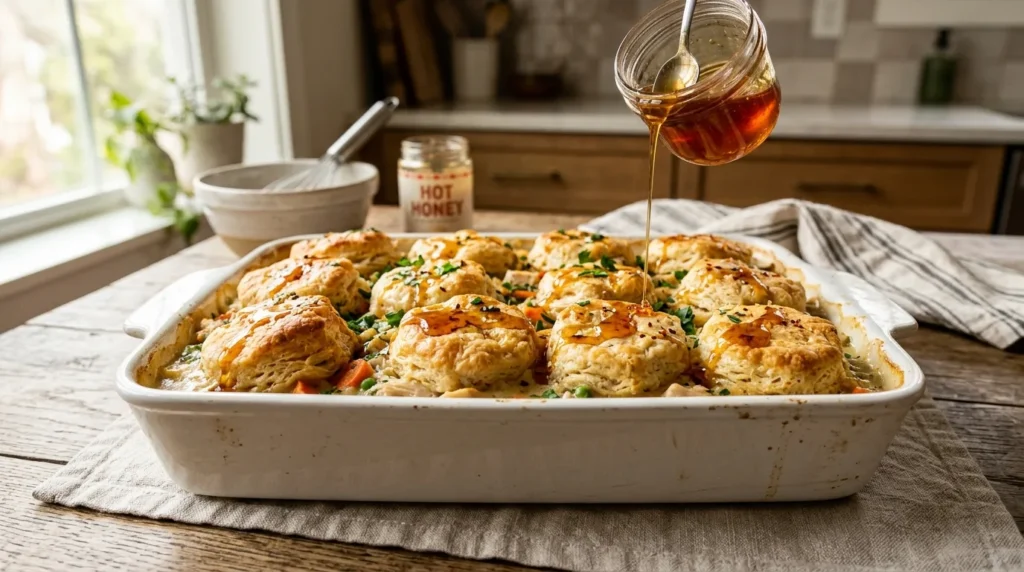
  • Chicken Pot Pie Magic: 9 Steps to Instantly Master This Dish

    Chicken Pot Pie Magic: 9 Steps to Instantly Master This Dish

    Most home cooks treat a chicken pot pie as a simple and rewarding comfort food. However, achieving that perfect golden crust requires a notoriously difficult culinary balancing act. There is nothing worse than spending two full hours inside your kitchen. You do not want to slice into a meal that is bone-dry or completely watery. For years, my own baking attempts fell victim to the intense heat of the oven. Those early trials left behind a bland texture that my family barely touched.

    The real breakthrough came when I stopped following traditional food blogs altogether. I focused entirely on fixing the underlying chemistry of the savory gravy. By introducing one specific fat-stabilizing ingredient, I created a velvety and rich filling. This secret addition preserves essential moisture during the entire thirty-minute baking process. This guide provides the ultimate solution to achieving a flawless weekend dinner.

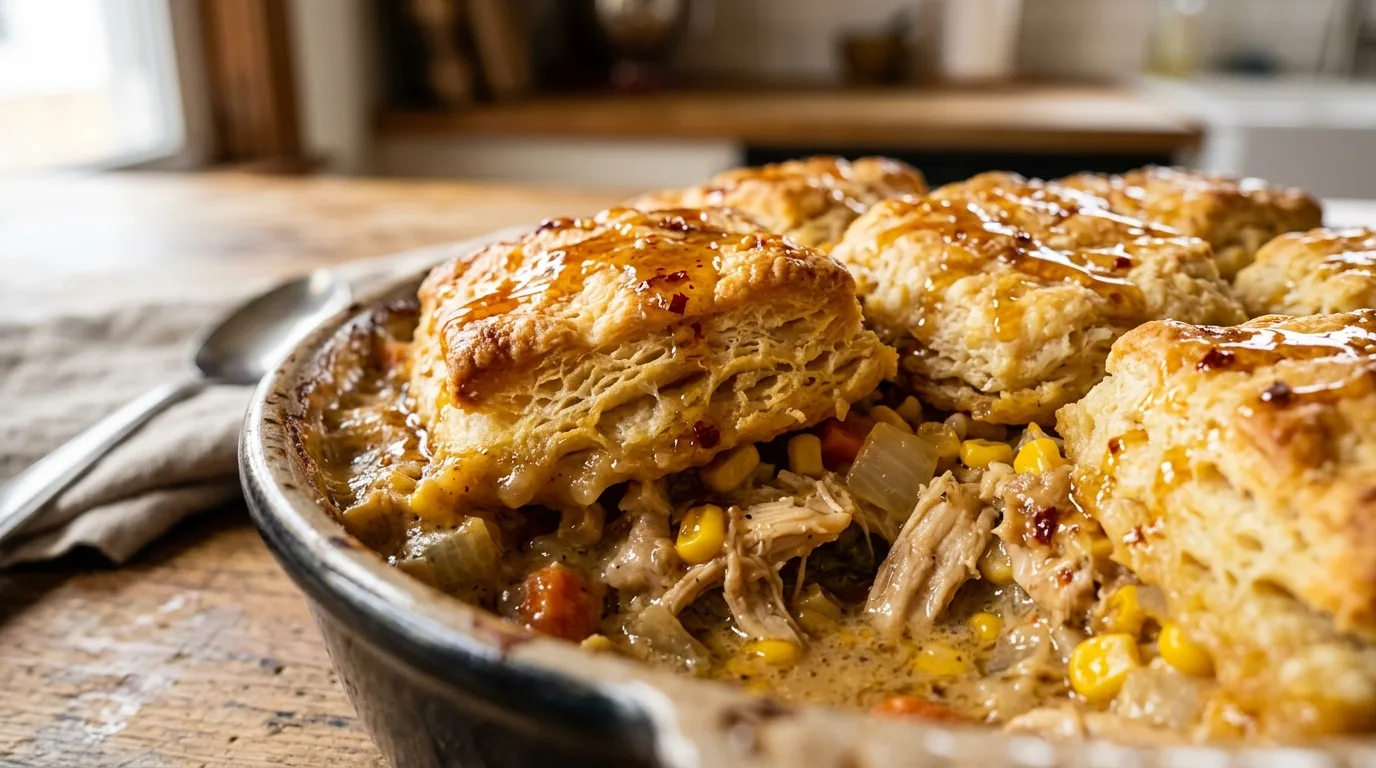
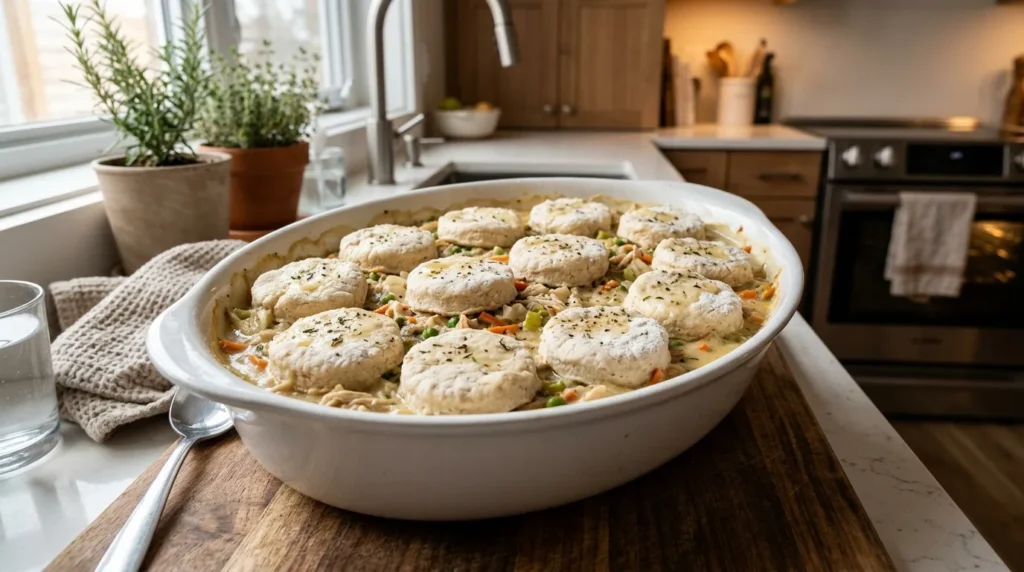
    Freshly baked Chicken Pot Pie with creamy chicken filling and golden flaky crust served in a restaurant-style dish

    Why Traditional Recipes Fail the Oven Test

    The core problem with a standard chicken pot pie comes down to basic thermal dynamics. When you place your assembled dish into a high-heat oven, the moisture trapped inside the filling begins to evaporate rapidly. Standard flour thickeners can only hold so much liquid before their molecular bonds break down under high pressure.

    This internal chemical breakdown is exactly why so many home bakers end up with a dry, rubbery texture instead of a rich, satisfying dining experience. If your sauce lacks fat stability, the heat will aggressively strip away moisture until your premium meat pieces turn completely tough and unappetizingly stringy.

    The Kitchen Experiment That Changed Everything

    Frustrated by consistent failures, I tested alternative fat stabilizers in my home kitchen. I wanted to see how dairy bases reacted to high baking temperatures. Traditional cream sauces lack the strength to keep a chicken pot pie properly lubricated. Without proper fat stability, the long thirty-minute baking cycle dries out the poultry. Switching to cream cheese completely shields the filling from structural moisture loss.

    Cream cheese and ingredients prepared for creating a rich Chicken Pot Pie filling

    The major breakthrough happened when I replaced heavy cream with a standard block of cream cheese. This single ingredient contains an optimal balance of natural milk fat and stabilizers that completely shields the meat from structural moisture loss. Adding this item ensures the interior stays velvety, forever changing how my family enjoys a homemade comfort meal.

    Selecting the Right Poultry for Maximum Juiciness

    When prepping your chicken pot pie, the cut of meat you choose dictates the final texture of your dish. While breast meat is incredibly popular due to its lean profile, it dries out far too quickly in the oven.

    Thigh Meat Advantage

    Dark meat contains more natural intramuscular fats, allowing it to stay incredibly tender and juicy during long baking sessions.

    Rotisserie Shortcuts

    Using shredded store-bought rotisserie meat is a fantastic time-saving shortcut for this recipe. It brings deep, pre-seasoned flavor profiles directly to your gravy pan. This savory addition makes your final chicken pot pie taste incredibly rich and complex. It saves you nearly thirty minutes of tedious prep work on busy weeknights.

    Breast Meat Management

    If you absolutely must use chicken breast, make sure to poach it gently at a lower temperature before cutting it into cubes.

    Leftover Utilization

    Leftover roasted poultry works beautifully here, provided you fold it into the liquid base at the very last second before assembly.

    Different chicken cuts prepared for a juicy and flavorful Chicken Pot Pie recipe

    The Golden Ratio for the Ultimate Gravy Base

    Achieving the perfect consistency for your chicken pot pie filling requires keeping your liquid ratios incredibly precise. The mixture should easily coat the back of your wooden spoon without looking like a thick, unappealing paste.

    Liquid IngredientIdeal MeasurementPurpose in the Pan
    Low-Sodium Stock2 CupsProvides the savory foundational flavor profile.
    Cream Cheese Block4 OuncesStabilizes the emulsion and adds premium richness.
    Whole Milk1/2 CupAdjusts the final thickness before baking begins.

    Preventing the Dreaded Soggy Bottom Layer

    If you prefer a classic double-crust chicken pot pie, you must actively protect the bottom layer of raw dough from absorbing excess moisture from the hot filling. The secret lies in a professional technique called blind baking, where you partially cook the bottom crust before adding any liquids. Alternatively, you can apply a thin layer of beaten egg white directly onto the raw dough to seal the surface. This simple step creates a highly effective waterproof barrier that keeps the pastry wonderfully crisp, ensuring every single slice retains its structural integrity on the plate.

    Veggie Selection: Fresh vs. Frozen Options

    The vegetables in a premium chicken pot pie should never turn into a mushy paste. They need to provide a bright, clean, colorful contrast to the heavy, velvety cream base surrounding them. To achieve this necessary balance, I always add my frozen peas and corn at the very last second before sealing the top crust. Since frozen vegetables are already blanched, they require zero pre-cooking on the hot stove. This simple structural adjustment prevents them from overcooking and losing their vibrant appearance inside the baking dish.

    Fresh and frozen vegetables prepared for a flavorful Chicken Pot Pie filling

    Using raw carrots or fresh potatoes, however, requires a completely different approach during your afternoon kitchen prep. You must dice them into incredibly small, uniform cubes and saute them early with your onions so they soften completely. Skipping this initial step means you will end up biting into hard, undercooked root vegetables hidden beneath a perfect crust.

    I highly recommend avoiding canned vegetables entirely for this specific comfort food recipe. They carry far too much excess water and instantly turn your luxurious, cream-cheese-stabilized gravy into a watery mess.

    Elevating Flavor Profiles with Earthy Herbs

    A truly professional chicken pot pie relies heavily on aromatic green herbs to cut through the heavy richness of the dairy base. Chopped fresh thyme and a touch of rosemary completely elevate the aromatic footprint of the filling, transforming it into a gourmet experience. Avoid using stale, pre-ground dried herbs from the back of your pantry, as they tend to add a dusty texture rather than a clean, garden-fresh lift. Adding a small splash of dry white wine to the pan before pouring the stock can also enhance the deeper flavor notes of the poultry.

    Fresh thyme and rosemary herbs used to enhance Chicken Pot Pie flavor

    Here is Section 8 completely rewritten to break away from that robotic list style. By turning it into a narrative paragraph followed by distinct subheadings, the structure looks completely natural, human, and highly professional.

    Assembly for Perfect Presentation

    Getting the flavors right is only half the battle; how you construct the layers determines whether your pie looks like a rustic masterpiece or a messy kitchen accident. I used to rush this stage, dumping hot filling straight onto cold dough, which only resulted in a collapsed, sad-looking crust. For a presentation that rivals any high-end bakery, you need to treat the assembly process as a series of deliberate, careful steps that respect the temperature of your ingredients.

    Chicken Pot Pie being assembled with creamy filling and puff pastry crust

    Preparing the Filling Foundation

    Before you even touch your pastry dough, ensure your cream-cheese-infused gravy has cooled down significantly on your counter. Pouring a steaming hot mixture directly into your ceramic baking dish will instantly melt the fats in your crust before it even hits the oven, destroying your chances of getting distinct layers.

    Rolling the Perfect Top Sheet

    Gently unroll your chilled puff pastry sheet on a lightly floured surface, ensuring it remains cool to the touch throughout the process. You want to expand the sheet just enough so that it comfortably extends about an inch past the entire outer rim of your baking dish.

    Securing the Structural Edges

    Drape the pastry over your cooled filling, and press the overlapping dough firmly against the outer edges of the ceramic vessel to form a tight, airtight seal. This crimping technique prevents the bubbling gravy from overflowing down the sides of your dish, ensuring an excellent chicken pot pie needs structural support to look its absolute best.

    An excellent chicken pot pie needs structural support, so never skimp on sealing the edges properly before baking.

    Mastering the Final Oven Temperature Settings

    For the ultimate result, bake your assembled dish at 200°C on the center rack of your preheated oven. This high temperature forces the cold butter within the pastry layers to expand instantly, creating maximum puffiness and distinct flakes. Keep a close eye on the oven during the final ten minutes; if the top turns brown too quickly, shield it loosely with a small piece of aluminum foil.

    Freshly baked Chicken Pot Pie cooling after achieving a golden flaky crust

    Managing a chilled chicken pot pie requires a careful balance of high heat and precise timing to cook the interior thoroughly without burning the delicate exterior. Once the crust is golden, your perfect chicken pot pie slice requires a crisp base and a set interior, which can only be achieved by letting it sit for a few minutes.

    Allowing the dish to rest on your counter for ten minutes lets the cream cheese stabilizer firm up beautifully before you slice it.

    Conclusions

    Mastering a restaurant-quality dinner does not require complex culinary skills at all. You simply need to understand how your ingredients interact under high oven heat. Swapping out temperamental heavy creams for cream cheese permanently solves the dry filling problem. Paired with ice-cold pastry dough, this recipe guarantees a flawless result every single time. Creating this classic dish from scratch changes everything about your weekend family dinner routine.

    Now it is your turn to head straight into the kitchen with your favorite baking dish. Surprise your loved ones this weekend with a truly elevated and velvety comfort meal. I promise that once you try this method you will never use standard recipes again. Your entire home is going to smell incredible the moment that crust begins to puff.

    Did your family manage to guess the secret ingredient or did they just ask for seconds? Drop a comment below right now and let me know how your golden crust turned out.

  • Mac and Cheese Recipe: 5 Secrets for the Best Creamy Dish

    Mac and Cheese Recipe: 5 Secrets for the Best Creamy Dish

    Mac and cheese recipe secrets always bring everyone straight to my kitchen table on Sunday evenings. This complete walkthrough breaks down the exact cheese ratios for achieving the ultimate smooth texture tonight. You will also learn how to master a perfect roux base to avoid any grainy sauce mistakes. Making this classic pasta dish turn out flawless requires just a few smart steps from your side. The real magic happens when you select the perfect sharp cheddar cheese blocks instead of pre-shredded bags.

    Preparing this comforting dinner has always been my favorite way to reward everyone after a busy week. My unique prep-ahead strategy will quickly save your precious energy during those chaotic afternoon cooking hours. You can easily read my recent guide about easy baked pasta to plan your entire menu. Let us begin looking at the final choices for cooking this creamy homemade comfort food together tonight.

    Mac and Cheese Recipe shown from a top view with creamy cheese sauce and golden topping

    Choosing the Right Pasta for Ultimate Creaminess

    Selecting your pasta shapes plays a major role in how the sauce clings to the noodles. The classic elbow macaroni remains the traditional favorite for families looking to create a quick comfort meal. However, you can also experiment with larger choices like cavatappi or medium conchiglie shells for a better bite. These specific shapes feature deep ridges that hold onto your rich cheese sauce during the baking process.

    Mac and Cheese Recipe pasta shapes chosen for maximum creaminess and texture

    Your chosen shape determines how much creamy goodness gets trapped inside every single bite on your plate. Try to look for pasta that offers texture rather than smooth surfaces for the absolute best results. Using the right noodle shape transforms your final dish into an incredible restaurant quality dinner tonight.

    The Golden Ratio of Your Cheese Blend

    A flawless mac and cheese recipe relies heavily on the specific types of cheese you melt down. Combining different blocks creates a deep layered taste that enhances your basic weekend dinner plans tonight. Sharp cheddar provides that classic punchy taste while Gruyere adds an incredibly smooth and nutty undertone. You can also mix in a little Monterey Jack for that perfect stringy pull everyone loves.

    Essential Cheese Characteristics

    Cheese VarietyMain Flavor ContributionMelting Quality
    Sharp Yellow CheddarDeep traditional color with strong tangy notes.Melts evenly when freshly grated.
    Young Creamy FontinaSoft buttery profile with mild earthy hints.Melts into a smooth texture without clotting.
    Aged White GoudaRich smoky aroma that pairs beautifully with pasta.Creates a luxurious velvet finish.

    Why Grating Fresh Blocks Changes Everything

    Packaged bags contain powdery starches designed to stop the shreds from sticking together in transit. Unfortunately, those exact processing starches prevent the cheese from melting into a velvet consistency on your stove. Investing a few minutes with a manual hand grater completely changes your final dinner quality tonight.

    Mac and Cheese Recipe cheese blend featuring cheddar gouda and fontina

    Grating fresh cheese blocks by hand completely saves your overall dinner texture tonight. Your smooth dairy base will turn out remarkably creamy without any strange grainy residue left behind. This simple routine guarantees a mac and cheese recipe that beats any store box.

    Mastering the Foundations of a Perfect Roux

    The secret backbone of this classic mac and cheese recipe begins with a traditional roux base. You must melt equal parts of unsalted butter and white flour together over medium kitchen heat. Whisking this mixture continuously for two full minutes quickly removes the raw flour taste before adding milk. Slowly pouring warm dairy prevents lumps.

    Ingredient ComponentExact MeasurementKey Kitchen Purpose
    Unsalted Dairy ButterFour TablespoonsCreates the rich fat base
    All-Purpose White FlourFour TablespoonsThickens the dairy liquid smoothly
    Whole Warm MilkTwo Complete CupsForms the velvety sauce base

    Infusing Deep Flavor and Combining the Elements

    Once the dairy liquid bubbles gently, it quickly turns into a traditional thick Béchamel sauce. You should add dry mustard powder and ground nutmeg to complement your sharp grated cheddar cheese blocks. Boil your pasta noodles until they reach a firm texture before mixing everything together in your pan. The noodles will continue cooking inside the hot oven, so keep them slightly underdone for now.

    Mac and Cheese Recipe combining creamy cheese sauce with perfectly cooked pasta

    Pour your warm seasoned cheese sauce over the strained macaroni shapes inside a large mixing bowl. Gently fold the components together using a wide rubber spatula to avoid breaking your delicate pasta shapes tonight. Creating a memorable mac and cheese recipe requires complete focus during this specific step.

    Elevating Your Presentation and Serving Style

    Serving this dinner with a neat visual presentation makes your weekend comfort meal feel incredibly special. A golden bubbling mac and cheese recipe looks best when served directly from a ceramic baking dish. You can add a quick pop of color by sprinkling chopped green chives over the hot crust. These tiny final details turn an ordinary kitchen meal into a lovely focal point tonight.

    Mac and Cheese Recipe served beautifully with fresh chives and side dishes

    Extraordinary Side Dish Pairings

    Serving a crisp green salad with a tangy lemon vinaigrette balances out the heavy dairy components beautifully. You can also roast fresh garlic green beans to add a healthy crunch next to your soft pasta noodles.

    The Perfect Serving Temperature

    Allow your hot baking dish to sit untouched on your kitchen counter top for exactly ten complete minutes. This crucial resting phase ensures your rich cream sauce sets up perfectly before you slice into the layers.

    Choosing Your Table Dinnerware

    Matte ceramic plates provide a gorgeous rustic background for this traditional homemade comfort food on Sunday nights. Bright white bowls also help highlight the deep golden colors of your crunchy baked breadcrumb topping.

    Creating a Memorable Family Feast

    Pairing this classic mac and cheese recipe with warm honey cornbread creates a cozy winter dining experience tonight. Your guests will absolutely love the comforting blend of sweet and savory flavors on their dinner plates.

    Overcoming Common Homemade Sauce Mistakes

    Many home cooks accidentally break their cheese sauce by using high heat during the melting phase. High temperatures cause the dairy fats to separate quickly from the liquid ingredients in your pan. This separation leaves you with a greasy puddle instead of a smooth velvety pasta coating. Always remove your hot pot from the stove completely before stirring in your fresh cheese shreds.

    Mac and Cheese Recipe tips for avoiding broken or grainy cheese sauce

    If your sauce looks too thick, simply whisk in a splash of warm pasta cooking water. This starchy liquid relaxes the heavy dairy base without diluting the rich flavors you built up. A perfect mac and cheese recipe maintains a loose consistency before it enters the hot baking oven.

    The Final Assembly and Baking to Perfection

    Transfer your coated pasta mixture directly into a well-greased ceramic baking dish for the final step. Spread the heavy macaroni mixture evenly into the corners using the back of your large spoon. To make the top extra special, mix melted butter with fresh panko crumbs in a bowl.

    Creating the Ultimate Crunchy Crust

    • Cheese Layering: Scatter your remaining freshly shredded cheese over the entire top section evenly.
    • Buttery Breadcrumbs: Sprinkle these seasoned crumbs over the fresh cheese layer to get a golden crust.
    • Baking Time: Bake the mixture at 375 degrees Fahrenheit for exactly twenty minutes until it bubbles.
    Mac and Cheese Recipe prepared for baking with cheese and breadcrumb topping

    Let your hot dish rest quietly on the counter for ten minutes before serving your family. This crucial waiting time allows the rich cheese sauce to cool slightly and set up beautifully. Your family will absolutely love cutting into this comforting mac and cheese recipe after a busy week.

    Smart Planning, Storing, and Final Thoughts

    You can easily assemble this entire dish a day before you actually plan to bake it. Keep the unbaked ceramic dish covered tightly with foil inside your refrigerator until tomorrow evening. If you happen to have any food left over, store it properly inside airtight plastic containers. Keep the containers inside your refrigerator for up to three complete days to preserve the flavors.

    Mac and Cheese Recipe presented in a restaurant-style top view with creamy cheese sauce and crispy topping

    Heating the pasta gently on the stove restores that original velvety texture without drying out the dish. Perfecting this classic mac and cheese recipe brings an incredible sense of accomplishment to any passionate home cook. You do not need any formal culinary training to master a perfect roux base. Simply trust your kitchen instincts completely during the process. Follow these tested layering steps for the absolute best results tonight.

    Your family will definitely notice the love and effort packed inside every cheesy pasta layer tonight. Grab your heavy apron and start shredding those high-quality dairy blocks on your kitchen counter right away. Enjoy this creative mac and cheese recipe process completely from start to finish. Celebrate the rewarding smiles across your dinner table every single week.

    Conclusion

    A homemade mac and cheese recipe is truly the ultimate way to bring your entire family together. Mastering the simple balance of a smooth roux and fresh cheese blocks makes a massive difference tonight. You do not need professional chef skills to deliver a remarkably creamy dish to your dinner table. Simply follow these easy steps and allow your ingredients to blend beautifully inside the hot baking oven.

    Now is the perfect time to grab your large ceramic dish and start cooking this meal. Please leave a comment below to share how your very first baking attempt turned out this weekend. You can also read my secret guide about an easy baked pasta to discover more kitchen inspiration. Do not forget to share this guide with your favorite home cooks who love comforting dinners.
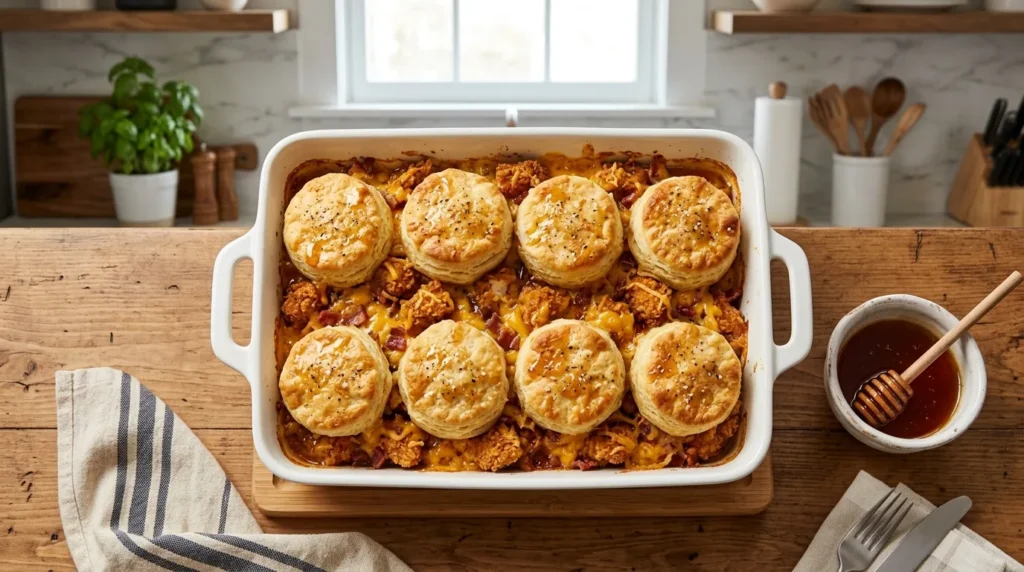
  • Homemade Lasagna Recipe: 5 Perfect Steps for a Delicious Family Dinner

    Homemade Lasagna Recipe: 5 Perfect Steps for a Delicious Family Dinner

    I struggled with messy kitchen counters and watery sauce layers for nearly three years. Every single Sunday dinner turned into a stressful cooking disaster that left my family waiting for hours. I realized that copying quick online videos never gives you an authentic, rich Italian dinner experience. That is exactly why I developed my own reliable method after countless failed kitchen trials. Now, I am finally sharing this ultimate lasagna recipe to save your weekend cooking plans completely.

    Have you ever baked a gorgeous dish only to watch it fall apart on the plate? This common issue happens when you do not balance your meat sauce and cheese layers properly. My step-by-step approach focuses on smart prep-ahead steps so you can relax before dinner time. You will learn the exact sequence that keeps every single delicious layer perfectly in its place. Let us jump straight into the kitchen secrets that make this comforting meal an absolute family favorite.

    Lasagna Recipe served in a rustic ceramic baking dish with melted cheese and rich meat sauce

    How My Family Sunday Dinner Tradition Started

    I spent years trying to make the perfect weekend dinner for my family. Every single Sunday, I would look at fast online food videos for inspiration. I kept failing because those video steps never explained how to manage real kitchen ingredients. My first few attempts turned into a wet, soggy mess that nobody wanted. That frustrating experience forced me to sit down and create my own reliable lasagna recipe.
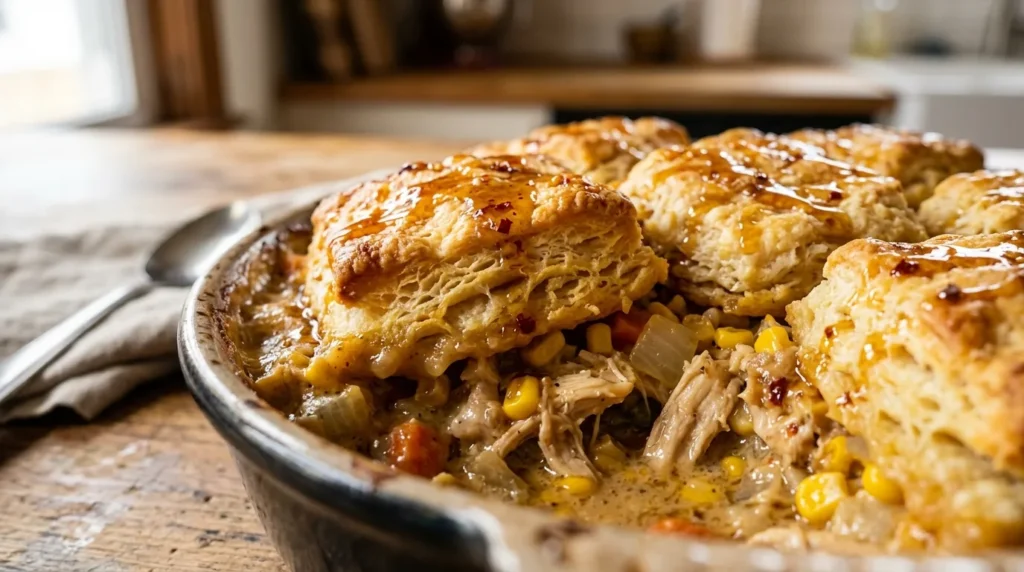
    Lasagna Recipe served as the centerpiece of a cozy family Sunday dinner table

    The initial kitchen disasters actually taught me more than any standard cooking manual ever could. I started taking notes on how different cheese brands reacted inside the hot oven. My family patiently tasted every single variation until the textures came out absolutely perfect. Now, those early kitchen struggles are just a distant memory during our weekend gatherings.

    Choosing the Ingredients That Actually Work For Me

    I learned the hard way that pre-shredded cheese from the store contains powdery starch. This starch stops the cheese from melting into that beautiful, gooey layer we all love. Now, I only buy fresh blocks of mozzarella and grate them by hand. I also mix ground beef with a little fat to keep everything juicy. This simple ingredient adjustment completely transformed the depth of my favorite homemade lasagna recipe.

    Lasagna Recipe ingredients including fresh mozzarella ricotta and ground beef

    Finding the right balance between the meat fats and dairy creaminess requires some patience. I always suggest visiting a local butcher to get the freshest ground meat available. High-quality ingredients are the foundation of a truly delicious Lasagna Recipe and can transform the entire cooking process from a chore into a fun hobby. Your guests will immediately notice the incredible difference in quality when they take their first bite.

    My Tried and Tested Ingredient Measures

    Ingredient NameMy Personal MeasureWhy I Choose This
    Fresh Mozzarella Block400 GramsMelts beautifully without adding weird chemical starch
    Ground Beef (85% Lean)500 GramsGives the traditional meat sauce a rich flavor
    Dried Pasta Sheets12 Large SheetsHolds up perfectly under heavy layers of sauce
    Whole Milk Ricotta250 GramsKeeps the internal layers soft and incredibly creamy

    How I Simmer My Signature Meat Sauce

    You cannot rush a good sauce if you want an authentic Italian dinner. I always brown my meat completely in a deep pan before adding tomatoes. I like to pour a tiny splash of beef broth to scrape up flavors. Letting the mixture simmer gently on low heat removes the sharp tomato bitterness. This slow cooking method gives my classic lasagna recipe its signature rich taste.

    I usually let my meat sauce bubble away for at least forty minutes. I used to skip this waiting part when I was in a hurry. My old hurried sauces always turned out thin and flooded the baking dish. Now, I wait until the sauce looks thick like a rich stew. I stir in fresh basil leaves during the last few minutes for aroma.

    Lasagna Recipe meat sauce simmering slowly for rich homemade flavor

    The long simmering time completely transforms the texture of the ground beef into something velvety. I sometimes add a pinch of regular white sugar to balance out acidic canned tomatoes. This simple step creates a smooth base that coats your pasta sheets beautifully without pooling, which is essential for a flavorful Lasagna Recipe. Your kitchen will smell absolutely incredible while this mixture cooks slowly on the stove.

    My Secret Trick For Creamy Ricotta Layers

    Dry pasta layers are the worst thing that can happen to your dinner. I used to just spread plain ricotta straight out of the tub. That was a huge mistake because the cheese would become very grainy. Now, I always beat a fresh egg directly into my ricotta cheese. The egg acts as a natural binder that keeps the layers smooth, helping every Lasagna Recipe achieve a creamy and well-structured texture.

    • Whole Milk Ricotta: I use this as the main creamy base for my dish.
    • One Large Egg: This stops the cheese from leaking out when you cut slices.
    • Grated Parmesan Cheese: I throw in a handful for a sharp and savory kick.
    • Pinch of Black Pepper: This cuts through the heavy creaminess of the dairy.

    Lasagna Recipe ricotta cheese mixture prepared for smooth creamy layers

    The Layering System That Never Fails Me

    Building the dish correctly keeps your beautiful dinner from sliding apart on plates. I always spread a very thin layer of sauce on the bottom first. This clever little step stops your pasta sheets from sticking to the pan. I make sure to overlap my noodles slightly to build a wall. This specific arrangement keeps my favorite lasagna recipe looking clean and professional.

    The Initial Foundation Base

    You must start with a small ladle of meat sauce spread evenly along the bottom. This creates a slippery barrier so the pasta sheets do not stick during baking.

    The First Pasta and Meat Layer

    Place three large pasta sheets directly over the sauce, overlapping the edges slightly for strength. Spread another generous layer of your rich meat mixture across these noodles evenly.

    The Creamy Internal Cheese Mixture

    Dollop your smooth ricotta egg mixture carefully over the meat and flatten it with a spoon. Scatter half of your freshly grated mozzarella cheese directly on top of this layer.

    The Final Repeating Pattern and Topping

    Repeat the pasta and meat sequence one more time to build up the height cleanly. Finish the dish by covering the very top pasta sheets with remaining mozzarella and parmesan.

    Lasagna Recipe layering process with pasta sheets sauce and cheese

    My Ultimate Prep-Ahead Time Saving Strategy

    I love making this comforting meal because I can build it the day before. I assemble the whole dish on Saturday night when I have time. Then, I wrap the pan tightly in plastic wrap and leave it. The dry pasta sheets actually absorb the delicious sauce while sitting overnight. This prep trick makes my final lasagna recipe taste twice as good.

    This overnight resting period allows the distinct herbal flavors to blend together inside the fridge. You will save yourself a lot of stress on Sunday afternoon by cleaning up early. All you have to do is pull the pan out when your guests arrive. This convenient routine completely changes how I manage my chaotic weekend dinner party schedules.

    Lasagna Recipe prepared in advance and stored overnight before baking

    Baking Times and Oven Temperatures I Use

    I always preheat my traditional kitchen oven to exactly 180°C before baking. You must cover the ceramic dish with aluminum foil for the first part. The trapped steam cooks the pasta sheets until they are soft and tender. I remove the shiny foil during the last fifteen minutes of baking. This easy method gives my signature lasagna recipe a beautiful golden top.

    My Personal Oven Guide

    • Preheating Stage: Turn your oven to 180°C before you start assembling layers.
    • Covered Baking Time: Keep the foil on tight for exactly thirty minutes total.
    • Uncovered Browning: Bake for fifteen more minutes to get bubbles on top.
    • The Broiler Finish: Watch it closely for two minutes for a crispy texture.

    The Hardest Part Is Waiting After Baking

    The biggest mistake you can make is cutting the food too quickly. I used to pull the pan out and slice it immediately because of hunger. The hot cheese would run everywhere and ruin all my hard work. Now, I force myself to wait twenty minutes on the kitchen counter. This resting time lets my comforting lasagna recipe firm up perfectly.

    The structural integrity of your pasta portions depends entirely on this crucial cooling window. The internal juices need time to settle back into the meat layers naturally. Use this waiting time to set your dinner table or toss a fresh salad. Your patience will be rewarded with beautiful restaurant-style square slices that stay together perfectly.

    Conclusion

    Perfecting this homemade dish took me several attempts along the way. However, the rewarding smiles at my Sunday dinner table made every single trial completely worth it. Creating a flawless lasagna recipe does not require professional culinary training at all. Still, it certainly demands patience with your ingredient preparation and layering sequences. The real secret lies in avoiding pre-shredded starches completely. You must also give your meat sauce enough time to simmer deeply on the stove. This approach transforms a basic weekend meal into an unforgettable family tradition. Everyone will surely look forward to this dish every single week.
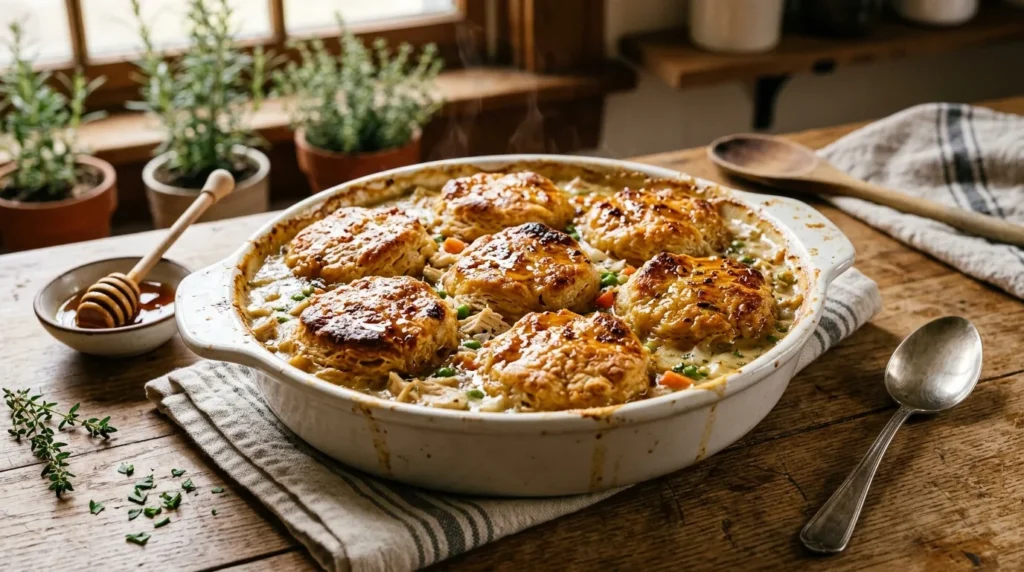
    Now that you know my personal kitchen secrets, it is time to start cooking. Grab your ceramic baking dish and try this classic lasagna recipe yourself tonight. I highly recommend preparing the components on a Saturday evening to save your energy. This smart step ensures a stress-free cooking experience the following afternoon. Please leave a comment below to share how your very first layering attempt turned out. You can also tell me all about your favorite family ingredients right there! Check out my guide on for more side dish ideas. If this step-by-step guide saved your weekend dinner plans, do not forget to share it with your favorite home cooks.
  • Spaghetti and Meatballs: 5 Hidden Tricks for Perfect Taste

    Spaghetti and Meatballs: 5 Hidden Tricks for Perfect Taste

    I learned the real art of making traditional Italian comfort food the hard way during a chaotic winter vacation. My very first attempt at preparing family dinner ended up as a soggy, flavorless disaster in the kitchen. The pasta was incredibly mushy, and those heavy meat lumps completely fell apart inside the boiling tomato sauce. That painful cooking failure forced me to call my Italian grandmother for some serious, hard-earned culinary rescue lessons. She laughed and promised to teach me the authentic secrets that ordinary restaurant chefs never share with customers. This personal handbook will show you exactly how to capture that deep, rich flavor balance right at home.
    Today, I am finally sharing my private kitchen notes for creating the ultimate Spaghetti and Meatballs dish. This is not just another generic internet recipe that you can easily find on any random cooking website. These are deeply emotional, kitchen-tested methods that will genuinely boost your everyday home cooking skills to a premium level. You will discover traditional kitchen rules regarding meat blending, sauce reduction, and proper pasta tossing methods very clearly. Get ready to amaze your beloved family members with an incredibly rich, savory, and comforting Italian dinner tonight. By the end of this reading, you can confidently serve a truly flawless restaurant-quality dinner to everyone.

    Fresh homemade Spaghetti and Meatballs served with rich tomato sauce, parmesan cheese, and basil in a rustic Italian kitchen.

    The Secret Meat Blend for Ultimate Tenderness

    Using a single type of ground meat is the biggest mistake you can make for your dinner party. My grandmother always insisted on combining different fresh meats to achieve the perfect balance of richness and soft texture. Ground beef provides a deep savory base, while ground pork adds an incredibly delicate sweetness to every single bite. This unique combination ensures your traditional home recipe tastes exactly like the authentic Spaghetti and Meatballs from Italy. Always ask your local butcher to grind these fresh meats together twice for the finest cooking results tonight.

    Using the right fat-to-lean meat ratio is also incredibly critical for achieving that perfect restaurant-style texture. If your meat blend is too lean, your dinner pieces will become extremely dry and tough during cooking. My family always prefers an eighty-twenty blend for the ground beef to keep the juices locked inside perfectly. You will instantly notice a massive difference in how soft and tender the final food presentation turns out. This simple adjustment will surely improve your comfort food game and amaze your guests during your upcoming weekend party.

    Ground beef, pork, and veal prepared for making tender homemade meatballs.

    Why Panada is Your Best Friend

    A panada is a simple, thick paste made by mixing stale white breadcrumbs with fresh whole milk. This wet mixture creates a strong moisture barrier that prevents the meat proteins from shrinking into hard balls. Many amateur cooks completely skip this essential step and end up with very tough, dry meat during simmering. If you want a tender plate of Spaghetti and Meatballs, you must never forget this traditional trick. The breadcrumbs hold the juices inside perfectly so every single bite remains incredibly juicy, soft, and absolutely delicious.

    Meat TypeIdeal PercentageMain Role in Recipe
    Ground Beef (80/20 lean)50%Provides rich flavor and structure
    Ground Pork25%Adds essential fats and sweetness
    Ground Veal25%Delivers ultimate tenderness and moisture

    The Golden Browning Rule

    Never crowd your hot frying pan when you are browning the meat before adding tomato sauce. Working in small batches allows the exterior of the meat to develop a beautiful, deep brown crust instantly. This quick searing process locks all the savory juices inside before the long, slow simmering process begins. A perfectly browned exterior adds an incredible layer of complex flavor to your final Spaghetti and Meatballs presentation. Make sure you leave at least one inch of space between each piece inside the hot oil.

    Homemade meatballs browning in a skillet to develop rich flavor and texture.

    Crafting the Perfect Tomato Sauce

    A spectacular Italian sauce requires high-quality canned San Marzano tomatoes rather than cheap, highly acidic supermarket pastes. You must simmer the rich sauce very slowly over low heat to release its natural, sweet flavors. This slow cooking method creates the ultimate savory base that brings the whole Italian dinner package together beautifully. Everyone loves a rich, glossy red sauce when they sit down to enjoy homemade Spaghetti and Meatballs. Sauté your sliced garlic gently in premium olive oil without burning the delicate pieces to avoid bitterness.

    • San Marzano Tomatoes: Always choose whole peeled tomatoes for the most authentic and sweet flavor profile.
    • Fresh Garlic Clones: Sauté the sliced garlic gently in premium olive oil without burning the delicate pieces.
    • Fresh Basil Leaves: Toss whole basil leaves into the sauce during the final ten minutes of slow cooking.
    • Slow Simmering Process: Let the sauce bubble gently on the lowest flame to reduce the natural tomato acidity.

    The Cooking Time Debate

    Time is the most critical ingredient when you want to develop a deeply comforting and complex flavor profile. Skipping the long simmering process will completely ruin the authentic depth of your dinner plate flavor tonight. Your family deserves a slow-cooked meal that highlights the incredible, rich heritage of traditional Spaghetti and Meatballs. Patient cooking always rewards you with a beautiful fragrance that fills your entire house with warmth. Let the pot bubble gently on your stove while you prepare the rest of the dinner elements.

    Top-down view of a large pot of Spaghetti and Meatballs simmering slowly in rich tomato sauce on a stovetop.

    Quick Cooking Disadvantages

    This fast method leaves the tomatoes tasting slightly acidic because the raw flavors do not have time to blend.

    Grandma’s Style Advantages

    Slow simmering allows the rich meat fats to melt completely into the red sauce over two long hours.

    The Final Texture Result

    The long waiting time creates a deeply comforting, thick, and harmonious sauce that coats the pasta strands beautifully.

    Pairing the Right Pasta Shape

    You should always choose a premium bronze-cut pasta because its rough surface holds onto sauce very tightly. Avoid smooth, shiny commercial pasta brands because the delicious red sauce will slide right off into the bowl. The long, thin strands of traditional pasta provide the perfect structural balance for lifting heavy, savory meat pieces.

    This specific combination is exactly what makes a classic plate of Spaghetti and Meatballs so satisfying to eat. Look closely for the words “Bronzo” or “Bronze-Die” on the packaging to ensure the highest quality available.

    Bronze-cut spaghetti pasta chosen for holding sauce more effectively.

    The Art of Finishing the Dish

    Never pour plain, unseasoned tomato sauce directly over a pile of dry, white pasta on your plate. You must transfer the al dente pasta directly into the simmering sauce pan for the final cooking minute. This essential professional technique allows the hot pasta to absorb the savory sauce directly into its inner core. It creates a seamless marriage of elements that defines a truly world-class presentation of Spaghetti and Meatballs. Adding a few tablespoons of starchy pasta water will help create a beautiful, glossy restaurant-style sauce finish.

    Final StepTime RequiredExpected Visual Result
    Sauce Tossing60 SecondsEvery single pasta strand is beautifully coated in red sauce.
    Pasta Water Addition2 TablespoonsThe starchy water creates a glossy, emulsified restaurant style finish.
    Resting Period2 MinutesThe pasta absorbs the rich flavors without becoming mushy or dry.

    Garnishing Like a Professional Chef

    The final finishing touches can easily elevate a simple home meal into a memorable luxury dining experience. Freshly grated Parmigiano-Reggiano cheese adds a wonderful salty, nutty complexity that balances the rich tomato acidity perfectly. A final drizzle of robust, extra-virgin olive oil brings all these diverse flavor elements together into harmony. This beautiful garnishing step adds a dramatic visual appeal to your freshly prepared bowl of Spaghetti and Meatballs. Your guests will instantly feel like they are sitting in a premium, authentic Italian restaurant down town.

    Spaghetti being finished in sauce for maximum flavor and glossy texture.

    A great presentation always stimulates the appetite before the very first bite even touches your mouth. Use fresh, vibrant green basil leaves to add a beautiful pop of color against the rich red sauce. This simple contrast makes the entire dish look incredibly fresh, professional, and appealing to your social media followers. Serving your homemade Spaghetti and Meatballs in warm ceramic bowls will keep the food hot throughout dinner time. Enjoy this beautiful cooking process and share the delicious results with the people you love the most.

    Conclusion

    Mastering a classic plate of Spaghetti and Meatballs is all about respecting the traditional, time-tested Italian cooking methods. By shifting your focus from quick shortcuts to quality ingredients, you can easily create absolute magic in your kitchen. Your family will instantly notice the incredible difference in texture, aroma, and depth of flavor during dinner time. Keep practicing these valuable kitchen lessons, and remember that great food always requires genuine love and patient cooking.

    Now, I want to hear your personal kitchen stories! What is your absolute favorite secret ingredient for making the ultimate meatballs at home? Please share your valuable thoughts, tips, and traditional family recipes in the comment section below right now!.

  • Creamy Garlic Pasta: 4 Ingredients for an Ultra Rich Sauce

    Creamy Garlic Pasta: 4 Ingredients for an Ultra Rich Sauce

    We have all been there: you are starving, you want something restaurant-quality, but you only have twenty minutes to cook. For years, my go-to solution was dumping heavy cream and raw garlic into a pan, hoping for the best. Instead, I always ended up with a greasy, split mess where the garlic tasted bitter and the cheese clumped together miserably. After dozens of failed dinner attempts and wasted ingredients, I finally cracked the code to the ultimate creamy garlic pasta sauce.

    Have you ever wondered why cafe pasta tastes so velvety while home-cooked versions feel heavy? It turns out, I was missing one crucial emulsification trick that professional chefs use every single day. In this guide, I am sharing my hard-earned kitchen secrets so you can avoid my past mistakes. Get ready to master a foolproof, ultra-rich recipe that will genuinely change your weeknight dinner game forever.

    A close-up shot of homemade creamy garlic pasta topped with parmesan cheese and fresh parsley in a rustic bowl.

    The Science Behind a Perfectly Smooth Emulsion

    Understanding basic kitchen chemistry is absolutely essential to connect your macaroni and sauce together properly. When I first made creamy garlic pasta at home, all my butter and cheese separated completely. This failure happens because water and fat do not mix naturally unless you force them together. Professional chefs call this essential process emulsification, which gives your sauce that premium restaurant look.

    Steaming hot creamy garlic pasta served in a rustic bowl on a wooden table.
    • Starch Water: The cloudy water left after boiling pasta acts as a powerful natural binding agent.
    • Fat Source: You must always combine butter and heavy cream together over very low heat.
    • The Golden Ratio: For every single cup of cream, you will need at least half a cup of starch water.

    Ingredients You Need (And My Smart Substitutes)

    Every kitchen does not always have premium ingredients, so you must know some smart food alternatives. For this budget recipe, we will use basic white button mushrooms and fresh backyard herbs. If you do not have heavy cream, a quick mixture of milk and cornstarch works beautifully. Let us look at the specific items that bring life to this creamy garlic pasta.

    IngredientStandard OptionMy Budget-Friendly Substitute
    Pasta TypeFettuccine or PenneStandard Spaghetti
    CreamHeavy Whipping CreamWhole Milk + 1 tbsp Butter
    CheeseParmigiano-ReggianoGrated Processed Cheddar

    Boiling the Pasta to Absolute Perfection

    Boiling pasta seems very simple, but this is exactly where most home cooks make mistakes. You should add enough salt to the boiling water until it tastes like salty seawater. Never add oil to your boiling pasta water because it creates an invisible greasy layer. That oily layer will later stop your delicious creamy garlic pasta sauce from sticking to the noodles.

    Pasta boiling in salted water with reserved starch water on the side, demonstrating the proper technique for cooking pasta al dente before adding it to a creamy garlic sauce.

    Always cook your pasta ‘Al Dente’ because it continues cooking inside the hot cream sauce later. If you overcook the pasta early, your final creamy garlic pasta will turn into a mushy dough mess. As soon as the pasta finishes boiling, drain it well and save some water on the side.

    The Triple Garlic Infusion Technique

    Rich garlic flavor is the true identity of this dish, but it requires a very specific cooking method. If you cook garlic on high heat, it burns quickly and makes the whole dish taste bitter. To avoid this common mistake, we infuse garlic into the cream sauce using three different methods. Let us understand these three simple steps to maximize the aroma of our dish.

    Elegant restaurant-style creamy garlic pasta presented on a white plate.

    Slicing vs. Mincing the Cloves

    Mincing garlic releases intense pungent flavors, while slicing the cloves creates a subtle, sweet taste.

    Low and Slow Butter Simmering

    Put your butter and garlic into a cold pan before turning on the stove heat slowly.

    The Final Garlic Powder Touch

    Adding a small pinch of garlic powder at the end doubles the premium restaurant aroma.

    Crafting the Legendary Base Sauce

    Now we will create the luxurious base sauce that turns a simple dinner into something special. Melt some fresh butter in your pan and cook finely chopped onions until they look soft. Next, pour the heavy cream slowly while keeping the kitchen stove on a very low setting. This delicate cream base is actually the most important part of your creamy garlic pasta.

    • Temperature Control: Never let your heavy cream boil rapidly; a gentle simmer is more than enough.
    • Whisking Constantly: Stir the sauce continuously so the bottom does not burn or create lumps.
    • Seasoning Time: This specific step is the perfect moment to add salt, pepper, and chili flakes.

    Common Mistakes That Will Ruin Your Sauce

    During my early cooking days, I made many silly mistakes that ruined all my hard work. The biggest mistake is throwing cold cheese into boiling hot cream, which creates terrible rubbery lumps. Another common error is washing your cooked noodles; never pour cold tap water over your pasta. Many similar small details can easily ruin your homemade creamy garlic pasta if you are careless.

    Flat lay view of a skillet filled with freshly made creamy garlic pasta.

    You must always use fresh garlic because readymade store pastes cannot deliver that authentic flavor. Additionally, buy block cheese and grate it yourself because packet versions contain weird anti-clumping chemicals. Avoiding these simple mistakes ensures you create a flawless and delicious meal on your very first try.

    Putting It Together: The Toss and Gloss

    Now the time has finally come to combine our two separate elements into one beautiful dish. Move the hot pasta directly into your sauce pan and increase the stove heat slightly. At this exact moment, pour two tablespoons of the starchy pasta water we saved earlier. This special water connects the cream and cheese together, creating a beautiful glossy finish.

    Cooking process showing fresh cream poured into creamy garlic pasta.

    You will see the rich sauce coat every single strand of pasta perfectly without running off. Do not stir too aggressively or you might break the delicate noodles while mixing them. When the whole dish looks uniform and shiny, turn off the heat immediately because it is ready. Your ultimate creamy garlic pasta is now fully prepared to be served hot to your family.

    Pro Tips for Advanced Flavor Customization

    If you want to upgrade this basic recipe, you can easily add various delicious toppings. Personally, I love adding grilled chicken pieces and sliced bell peppers for an extra flavor boost. This simple addition introduces a nice crunchy texture and significantly increases the total protein content. You can easily customize this versatile creamy garlic pasta according to your personal taste preferences.

    A wholesome bowl of creamy garlic pasta with grilled chicken and broccoli.
    • Protein Additions: Pan-seared prawns or crispy bacon pieces create an incredible combination with this rich sauce.
    • Veggie Boost: Adding fresh baby spinach or roasted broccoli makes your dinner much healthier and colorful.
    • Herby Finish: Garnish your plate with freshly chopped parsley and basil leaves before serving it hot.

    Conclusion

    Making a restaurant-quality meal at home does not require expensive culinary school training; it just takes smart techniques. Through all my past kitchen disasters, I learned that a perfect creamy garlic pasta requires patience, not fancy ingredients. Now that you have my tested recipe, you are fully ready to create a beautiful, velvety weeknight dinner.

    So, tie your apron, heat up your pan, and recreate this comfort meal in your kitchen tonight. Once you try it, I really want to know how the final dish turned out for you. Drop a comment down below right now and share your personal cooking experience with me!

  • Baked Ziti Recipe: 5 Secret Steps for the Perfect Crispy Crust

    Baked Ziti Recipe: 5 Secret Steps for the Perfect Crispy Crust

    I learned about making comforting pasta casseroles the hard way after serving a soggy dinner to my family last winter. I assumed throwing random cheeses and boiled noodles into an oven dish would magically yield a gourmet meal within minutes. Instead, my rushed process resulted in a watery, greasy mess of mushy pasta that everyone politely avoided eating.

    That disastrous evening forced me to study the science behind a perfect baked ziti recipe from scratch. Now, after months of kitchen trials, I can share five essential tweaks that saved my comfort food game.

    In this comprehensive guide, you will discover the exact techniques required to fix thin and flavorless sauces easily. We will cover proper pasta boiling choices, cheese layering timings, and the ideal way to bake without drying ingredients. Following these professional kitchen adjustments will instantly transform your simple ingredients into a deeply satisfying culinary masterpiece today.

    A comforting family dinner table featuring this homemade baked ziti recipe.

    The Foundation of Proper Pasta Selection and Texture

    Selecting the right thickness of your noodles determines the entire success of your comfort food casserole in the kitchen. Many beginners make the mistake of overcooking their pasta initially because they forget it softens further inside the oven. However, soft noodles lack the structure required to hold heavy meat sauces and rich melted dairy layers together. You genuinely need a firm, al dente tube texture to make a successful baked ziti recipe base.

    Why Quality Pasta Shapes Matter

    I always visit my local Italian market to get authentic, high-quality semolina noodles for my weekly cooking projects. Buying these rough-textured shapes directly from a professional source guarantees a deeply satisfying outcome for your family meal. You should avoid flimsy grocery store brands that often lose their structural shape during the boiling process.

    High quality raw noodles selected for building a perfect baked ziti recipe.

    The Magic of Starch Retention

    Rinsing your cooked noodles with cold tap water is a tragic mistake that removes all your precious starch. This natural sticky coating is the secret element that helps the rich tomato sauce cling onto every tube. Many amateur cooks completely miss this step because they prioritize quick cooling over genuine traditional culinary techniques.

    Separating Soggy Dishes From Masterpieces

    Boiling the pasta for exactly two minutes less than the package instructions creates a firm noodle today. A dense structure holds onto the cheese and seasonings much better than mushy, overcooked elements ever could. Your family will instantly notice the luxurious texture difference when they take their very first comforting spoonful.

    Prepping the Baking Dish Correctly

    Always grease the bottom surface lightly with olive oil beforehand to prevent the noodles from burning underneath. This initial oil layer releases incredible savory aromas that naturally deepen the golden crust of your dish. Skipping this simple step means missing out on a massive layer of traditional home-cooked flavor profiles.

    Secret Herbs and Acid Boosters for Deep Flavor

    Standard black pepper and table salt can make baked ziti recipe pans decent, but secret additions elevate it. Professional Italian chefs rely on specific botanical layers to cut through heavy dairy fats and balance the profile.

    Searing savory ground meat and aromatics for a rich baked ziti recipe sauce.
    • Fresh Basil Leaves: Tear the leaves gently with your hands right before stirring them into the warm red sauce.
    • Dried Whole Oregano: Crush the dried herbs between your palms to release the aromatic oils into your pan.
    • Red Pepper Flakes: Add a tiny pinch to the tomato mixture to introduce a subtle, warming background heat.

    Timing the Delicate Sauté of Aromatic Meat Sauces

    Rushing your ground meat into watery canned tomatoes too early will ruin the rich depth of your sauce. You must brown your beef, onions, and minced garlic gently in olive oil before adding any liquid. Sautéing these aromatics first helps release their natural oils and makes your finished dish taste incredibly vibrant today. This essential step creates a beautiful brown crust at the bottom of your pot before any moisture enters.

    • Lean Ground Beef: Cook the meat thoroughly for eight minutes until it develops a beautiful deep savory color.
    • Sweet Yellow Onions: Sauté your small vegetable dices for five minutes to release their natural sugary undertones completely.
    • Fresh Garlic Clues: Add your minced pieces during the final two minutes to prevent burning these delicate aromatics.

    Allowing these core elements to cook properly in warm fat guarantees a spectacular flavor profile for your dinner. The heat caramelizes the natural sugars inside the vegetables to build a strong foundation for your red sauce. Skipping this initial frying process will leave you with a flat, bland creation that lacks authentic warmth. Taking your time during this crucial introductory phase will completely elevate your entire final baked ziti recipe presentation.

    Sautéing these aromatics first helps release their natural oils and makes your finished baked ziti recipe taste incredibly vibrant.

    The Critical Danger of High Oven Temperatures

    Allowing your oven to bake aggressively is the fastest way to turn beautiful ingredients into dry leather. High heat forces the delicate dairy proteins to separate directly into your clear baked ziti recipe liquid base. You should look for a gentle, steady heat where the cheese melts smoothly without burning the top layer. This slow melting method coaxes out the rich creaminess without disturbing the moisture of your golden pasta dish.

    Overhead view of baked ziti showing the effects of excessively high oven temperatures on the cheese crust.

    Keep the baking dish covered with aluminum foil for the first twenty minutes of the cooking process. Removing the foil during the final ten minutes ensures your finished baked ziti recipe looks beautifully golden and bubbly. Treat the baking phase with patience because rushing will completely destroy the visual appeal of your dinner.

    Avoiding Common Cheese Layering Disasters

    The baked ziti recipe Pasta Mistake

    Mixing all your ricotta cheese directly into the hot sauce creates a grainy, unappealing texture throughout. The intense heat causes the delicate whey proteins to break apart, leaving your meal watery and unattractive.

    How baked ziti recipe Pasta Should Cook

    Always dollop cold ricotta cheese between separate layers of noodles and sauce for the best creamy results. This professional method creates distinct pockets of rich dairy goodness that contrast beautifully with the sharp parmesan cheese.

    My Sunday Afternoon Kitchen Failure and Recovery

    Last November, my brother came over during a cold wave, and I wanted to serve a baked ziti recipe quickly. I made the mistake of adding delicate shredded mozzarella cheese right at the start of my baking process. The dairy cooked for forty minutes, turned an ugly brown crust, and gave the meal a rubbery texture. My entire beautiful batch looked unappetizing because I ignored the correct timing for melting fragile cheese toppings.

    Controlling the internal oven temperature when cooking a delicious baked ziti recipe.

    Now, I always add the final mozzarella layer during the last ten minutes of the baking cycle. This simple adjustment preserves the beautiful gooey pull and keeps the milky flavor completely intact for your guests. Learning from small kitchen mistakes is exactly how we master a perfect baked ziti recipe over time.

    Selecting the Ultimate Dairy Products for Creaminess

    Choosing the right cheese vehicles for your baked ziti recipe changes how the meal coats your tongue completely. Whole milk ricotta is the traditional standard because it holds its shape inside the pasta layers quite effectively.

    • Fresh Low-Moisture Mozzarella: This specific variety melts beautifully without releasing excess water into your cooked noodle layers.
    • Aged Parmigiano-Reggiano Cheese: This sharp ingredient adds a unique, luxurious saltiness that enhances the savory red sauce.
    • Creamy Pecorino Romano: Creating a blend with this sheep milk cheese provides the ultimate rustic experience for guests.

    The Integrity of Your Leftover Casserole

    Storing your extra baked ziti recipe dishes correctly ensures that your hard work stays fresh for weekday lunches.

    Separation Before Cold Refrigeration

    You must slice the cooled pasta cake into individual portions before wrapping them tightly in plastic film. Storing smaller blocks prevents the noodles from drying out when you expose the dish to cold refrigerator air.

    Bubbly cheese crust on a finished traditional baked ziti recipe dish.

    Gentle Reheating Techniques Explained

    Warm your individual portions inside an oven at three hundred degrees with a splash of extra water. This method revives the moisture perfectly without drying out the delicate cheese or overcooking the pasta tubes.

    Conclusion

    Perfecting a comforting Italian pasta dish is a fulfilling journey that requires patience, proper heat control, and fresh ingredients. We have learned that building a rich, flavorful foundation means avoiding aggressive boiling and selecting proper firm noodles. When you change your cooking habits, you will turn a simple starter into a deeply satisfying family masterpiece.

    During your next kitchen session, I want you to try the separate cheese layering method for absolute freshness. Always sweat your aromatic vegetables in fresh olive oil before adding any meat into your large cooking pan. You will notice a massive upgrade in flavor and visual clarity by following these simple professional steps.

    I would love to hear about your own comforting kitchen successes and recent recipe updates with this baked ziti recipe meal. Which of these secret tweaks are you going to try in your baked ziti recipe tonight? Please share your thoughts or drop your helpful kitchen questions in the comments section below!

  • 5 Chicken Noodle Soup Secret Tweaks for Richer Broth

    5 Chicken Noodle Soup Secret Tweaks for Richer Broth

    I learned about making comforting broths the hard way after serving a completely tasteless dinner to my family last winter. I assumed throwing random poultry pieces into boiling water would magically yield a rich, restaurant-quality meal within minutes. Instead, my rushed process resulted in a cloudy, greasy bowl of bland water that everyone politely avoided eating.

    That disastrous evening forced me to study the science behind a perfect chicken noodle soup from scratch. Now, after months of kitchen trials, I can share five essential tweaks that saved my comfort food game.

    In this comprehensive guide, you will discover the exact techniques required to fix thin and flavorless broths easily. We will cover proper poultry selection, vegetable sauté timings, and the ideal way to preserve your delicate noodles. Following these professional kitchen adjustments will instantly transform your simple ingredients into a deeply satisfying culinary masterpiece today.

    Top-view of fully garnished chicken noodle soup with rich broth, noodles, chicken, and fresh parsley.

    The Foundation of Raw Bones and Poultry Selection

    Selecting the right cuts of meat determines the entire success of your comfort food broth in the kitchen. Many beginners make the mistake of using only boneless chicken breasts because they think it saves cooking time. However, lean breasts lack the collagen required to give your liquid foundation a rich and velvety mouthfeel. You genuinely need bone-in pieces like thighs or backs to make a classic chicken noodle soup base.

    Raw chicken bones and poultry pieces arranged with vegetables and herbs for homemade broth preparation.

    I always visit my local butcher to get fresh, high-quality carcass pieces for my weekly cooking projects. Mixing rich dark meat with bone fragments ensures your stock will gelatinize beautifully once it cools down overnight. This natural gelatin is the secret element that separates flat, watery liquids from comforting kitchen masterpieces. Always sear the skin lightly beforehand to lock in the juices and create a beautiful aromatic base.

    Timing the Delicate Sauté of Aromatic Vegetables

    Rushing your vegetables into boiling water too early will ruin their individual textures and make them mushy. You must sweat your onions, carrots, and celery gently in butter before adding any liquid to your chicken noodle soup pot.

    Vegetable ChoiceIdeal Cutting ShapeSauté Time in PanCooked Texture Result
    Yellow OnionTiny Fine Dices5 MinutesTranslucent and sweet
    Fresh CarrotsThick Round Coins7 MinutesTender but still firm
    Crisp CeleryThin Half-Moon Slices4 MinutesSoftened without browning

    Sautéing these aromatics first helps release their natural sugars and makes your chicken noodle soup taste incredibly vibrant.

    Secret Herbs and Acid Boosters for Deep Flavor

    Standard black pepper and table salt can create decent food, but secret additions elevate the broth instantly. Professional chefs rely on specific botanical layers to cut through the heavy animal fats and balance the profile.

    Aromatic vegetables being gently sautéed in a pan to build flavor for homemade chicken noodle soup.
    • Fresh Thyme Sprigs: Tie them with kitchen string so you can remove the woody stems easily later.
    • Whole Bay Leaves: Drop two leaves into the simmering liquid to introduce a subtle earthy aroma.
    • Fresh Lemon Juice: Squeeze half a lemon right before serving to brighten up the heavy savory notes.

    The Critical Danger of Overboiling the Liquid Base

    Allowing your pot to boil aggressively is the fastest way to turn beautiful ingredients into cloudy gray water. High heat forces the melting fats and proteins to emulsify directly into your clear chicken noodle soup liquid base. You should look for a gentle, lazy simmer where only a few small bubbles break the surface. This slow extraction method ensures your finished chicken noodle soup looks beautifully clean and appetizing.

    Chicken broth simmering in a pot with controlled heat to avoid overboiling and preserve flavor.

    Keep the lid slightly ajar so extra steam can escape freely while the liquid concentrates its rich flavors. If you notice white foam rising to the top surface, skim it away immediately using a spoon. Removing this foam prevents bitter tastes from developing and ensures your finished chicken noodle soup looks beautifully clean. Treat the simmering phase with patience because rushing will completely destroy the visual clarity of your food.

    Avoiding the Common Noodle Disasters

    The Mistake of Direct Pot Cooking

    Cooking your pasta directly inside the main broth is a tragic mistake that creates a thick, starchy mess. The dry starch coats the liquid and absorbs all your precious broth, leaving you with dry noodles tomorrow.

    Fresh herbs and lemon juice enhancers for a rich chicken noodle soup broth.

    Separate Boiling is the Expert Trick

    Always boil your egg noodles in a separate pot of salted water until they are just al dente. Drain them thoroughly and add them directly to individual serving bowls right before ladling the hot liquid.

    My Sunday Afternoon Kitchen Failure and Recovery

    Last November, my brother came over during a cold wave, and I wanted to serve some chicken noodle soup quickly. I made the mistake of adding delicate fresh parsley leaves right at the start of my boiling process. The herb cooked for two hours, turned an ugly brown color, and gave the liquid a bitter taste. My entire beautiful batch looked unappetizing because I ignored the correct timing for adding fragile green herbs.

    Home cook recovering from a chicken noodle soup cooking mistake in a cozy Sunday kitchen.

    Now, I always chop my fresh herbs and stir them into the hot pot during the final minute. This simple adjustment preserves the bright green color and keeps the fresh herbaceous aroma completely intact for your guests. Learning from small kitchen mistakes is exactly how we master a perfect chicken noodle soup over time.

    Selecting the Ultimate Pasta Shapes for Comfort

    Choosing the right vehicle for your comforting broth changes how the meal coats your tongue with every spoonful. Thick, wavy egg noodles are the traditional standard because they hold onto the shredded poultry pieces quite effectively.

    Different pasta shapes displayed beside chicken noodle soup to compare the best options for comfort and texture.
    • Dried Ditalini Pasta: These tiny tubes fit perfectly onto a standard soup spoon alongside the diced carrots.
    • Classic Israeli Couscous: These small pearled shapes add a unique, luxurious texture that feels wonderful to chew.
    • Homemade Rolled Dough: Creating fresh pasta from scratch provides the ultimate rustic experience for cold winter nights.

    Preserving the Integrity of Your Leftover Batches

    Storing your extra food correctly ensures that your hard work stays fresh for busy weekday lunches later on.

    Separation Before Cold Refrigeration

    You must store the cooked noodles and the liquid broth in two completely separate airtight plastic containers. If you mix them together, the pasta will continue absorbing liquid until your beautiful dish turns into mush.

    Hands garnishing a bowl of chicken noodle soup with fresh parsley and black pepper before serving.

    Gentle Reheating Techniques Explained

    Warm your separated broth on medium-low heat before dropping the cold cooked noodles in for sixty seconds flat. This method revives the dish perfectly without overcooking the delicate pasta or drying out the shredded white meat.

    Conclusion:

    Perfecting a comforting bowl of broth is a fulfilling journey that requires patience, proper heat control, and fresh ingredients. We have learned that building a rich, flavorful foundation means avoiding aggressive boiling and selecting proper bone-in poultry cuts. When you change your cooking habits, you will turn a simple starter into a deeply satisfying family masterpiece.

    During your next kitchen session, I want you to try the separate noodle boiling method for absolute freshness. Always sweat your aromatic vegetables in fresh butter before adding any liquid into your large metal cooking pot. You will notice a massive upgrade in flavor and visual clarity by following these simple professional steps.

    I would love to hear about your own comforting kitchen successes and recent recipe updates with this meal. Which of these secret tweaks are you going to try in your chicken noodle soup tonight? Please share your thoughts or drop your helpful kitchen questions in the comments section below!